Understanding The Link In Between Urinary Incontinence And Menopause: Westover Hillsides Women's Wellness: Obgyns
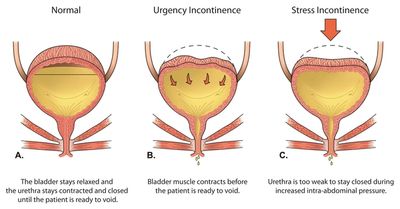
Issues with urinary feature-- such as urinary incontinence and infections-- are typically accepted as a demanding, unavoidable reality of growing older, yet they do not have to be. There are several treatment alternatives offered at WWMG that can assist you return to living your life free of these awkward, embarrassing, difficult, and often painful conditions. If you're undergoing or have undergone menopause, you may notice huge changes in your genital and urinary system system feature. From uncomfortable sex, to genital dry skin, an adjustment in libido, urinary system incontinence, and vaginal infections, it can be tough to know what is (and isn't) a regular component of aging.
Allow's talk via a few of the changes that could be going on in your body and just how you can be better prepared to handle your bladder control. Charting your symptoms can assist you track your signs and symptoms and enhance your communication of signs and symptoms to your provider. Think about tracking your signs in a bladder journal that you can show to your service provider at your next go to. Genitourinary Disorder of Menopause (GSM) encompasses various modifications in the vulva, vagina, and lower urinary tract arising from lowered estrogen degrees.Actually, 40-57% of postmenopasual females have signs and symptoms of genital degeneration, and on the urinary system incontinence side, greater than 50% of older ladies experience it. Pelvic floor exercises, bladder training, staying moisturized, and keeping a healthy and balanced weight can assist. Stay clear of bladder toxic irritants and speak with your physician concerning therapy alternatives.
A recent research study clarified regular (frequent) UTIs in postmenopausal ladies. Numerous species of bacteria can install themselves inside the bladder's area for reoccurring UTI licenses. Why are urinary tract problems like UTIs, constant peeing, and urinary incontinence so much extra typical during and after menopause? We'll stroll you with descriptions and what you can do to improve general urinary system health and wellness. Several women are amazed when they find that it's more challenging to regulate their bladder during perimenopause and menopause.These fluctuations can deteriorate pelvic muscular tissues, decrease bladder control, and raise the risk of urinary incontinence or bladder infection. If you are experiencing urinary system incontinence, there are all-natural treatments, in addition to clinical therapies that are shown to help in reducing signs and symptoms. Incorporating making use of natural remedies with a doctor-prescribed clinical treatment commonly produces the best results. Estrogen is one of the most crucial hormones involved in bladder feature, as it assists preserve the strength and elasticity of cells in the urinary tract and pelvic area. There are a number of sorts of incontinence, including anxiety incontinence, desire incontinence, and overflow incontinence, and lots of people experience a mix of symptoms.
- Dropping weight or keeping a healthy and balanced weight with a healthy and balanced diet and routine exercise can help the pelvic floor muscles and bladder feel less stress.Menopause, in spite of its obstacles, stands for a transformative phase in a females's life.Subject estrogen items might also assist to tone your urethra and genital areas.
What Are The Kinds Of Urinary Incontinence That Affect Ladies?
Then, overtime, our bladders in fact diminish, which causes raised urinary system regularity. A recent research located that estrogen promotes production of antimicrobial substances in the bladder and strengthens the urinary system system cells, making it harder for bacteria to expand. Studies show that approximately 1/3 of men and women in the U.S. deal with urinary incontinence, making it a far more common issue than many people understand. Although most typical in menopausal females, various other females can likewise develop genital atrophy, such as those that are breastfeeding, are postpartum, that smoke, or get on the brink of going into menopause. Modifications in your everyday routines can make a large distinction in Bladder leakage taking care of urinary incontinence throughout menopause. Tracking when leaks happen, what you were doing, how much pee was released, and how much you drank can aid your provider dressmaker therapy to your demands.Can Irregular Bowel Movements Make Bladder Problems Even Worse? Seriousness, Stress, And Regularity Described
The research makes comprised 5 cross-sectional analyses [11,15-17,19], 4 retrospective cohort studies [10,13,18,20], one quasi-experimental examination [12], and one prospective accomplice study [14] Geographically, two research studies were conducted in Australia [10,18], two in the USA [13,16], and one each in India [11], Check out this site Egypt [12], Thailand [14], Spain [15], Japan [17], China [19], and Belgium [20] You might require to continue doing Kegel workouts for the rest of your life. Also if your signs boost, urinary incontinence can return if you quit doing the workouts. Any kind of weakness or damage to the urethra in a female is most likely to create urinary incontinence. This is since there is less muscle mass maintaining the urine in until you are ready to pee.While ladies can experience incontinence and vaginal degeneration individually, the two typically go hand-in-hand. The major offender is the large drop in estrogen degrees during menopause. Individuals that are experiencing urinary incontinence must never hesitate to seek medical guidance. A healthcare provider can deal with you to understand the kind and seriousness of your bladder problem. They may refer you to a professional called a urogynecologist or urologist, if you need much more intrusive screening or procedures. Slimming down or keeping a healthy weight with a healthy diet and regular workout can assist the pelvic floor muscular tissues and bladder really feel less pressure. 